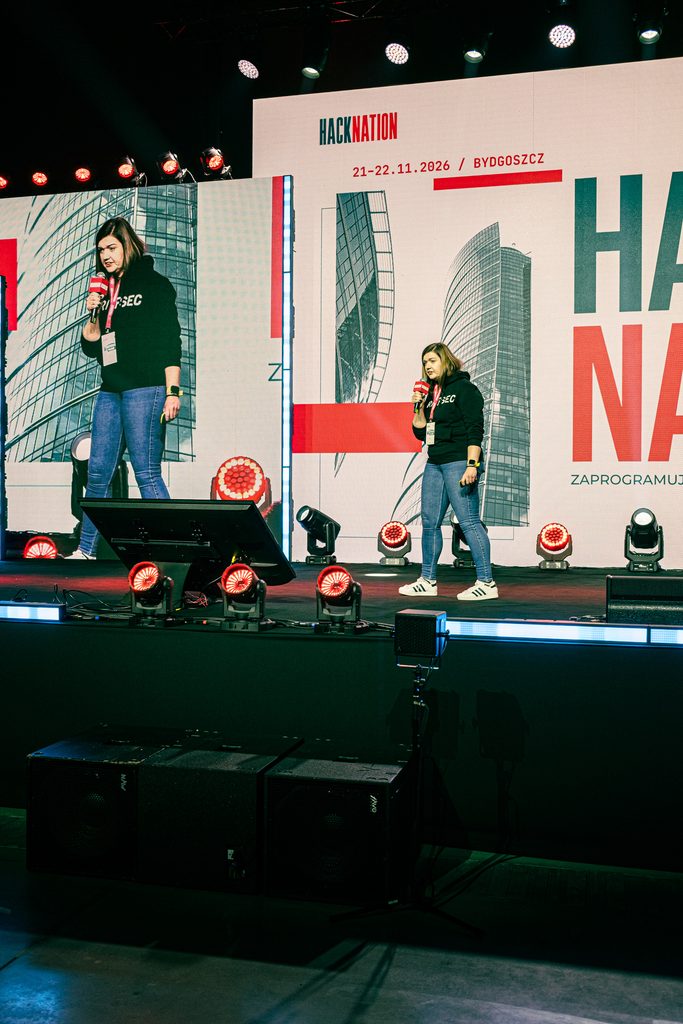
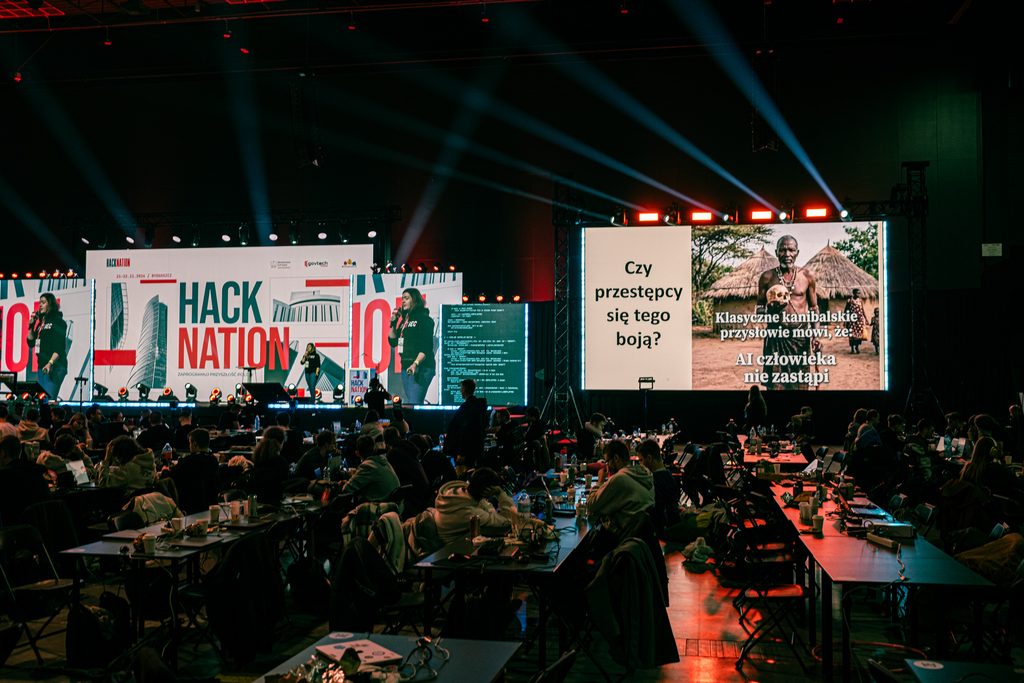
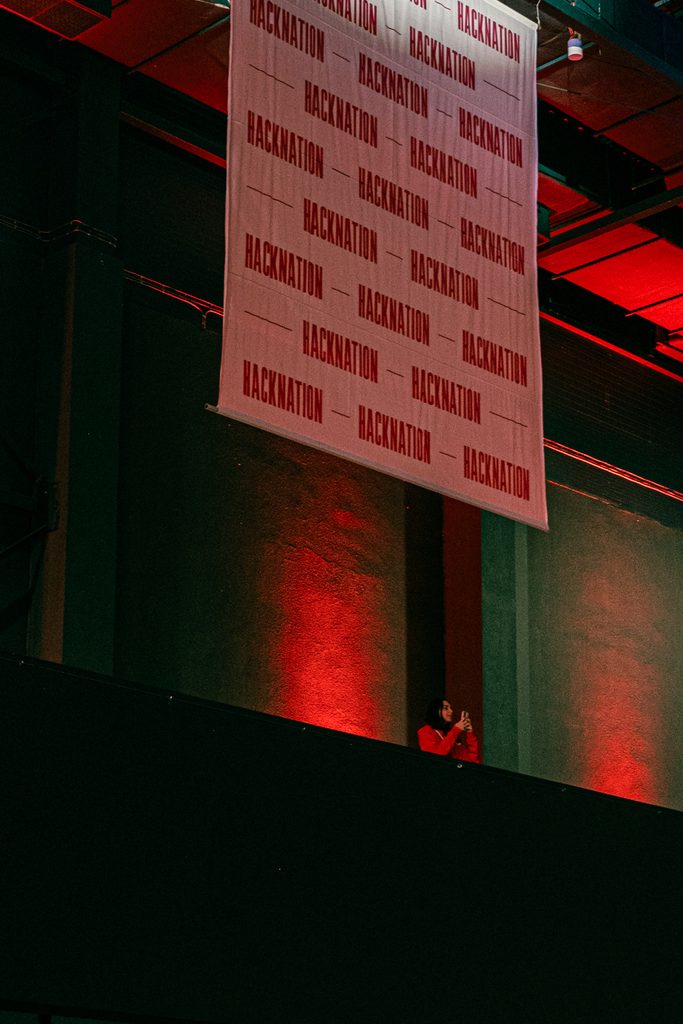
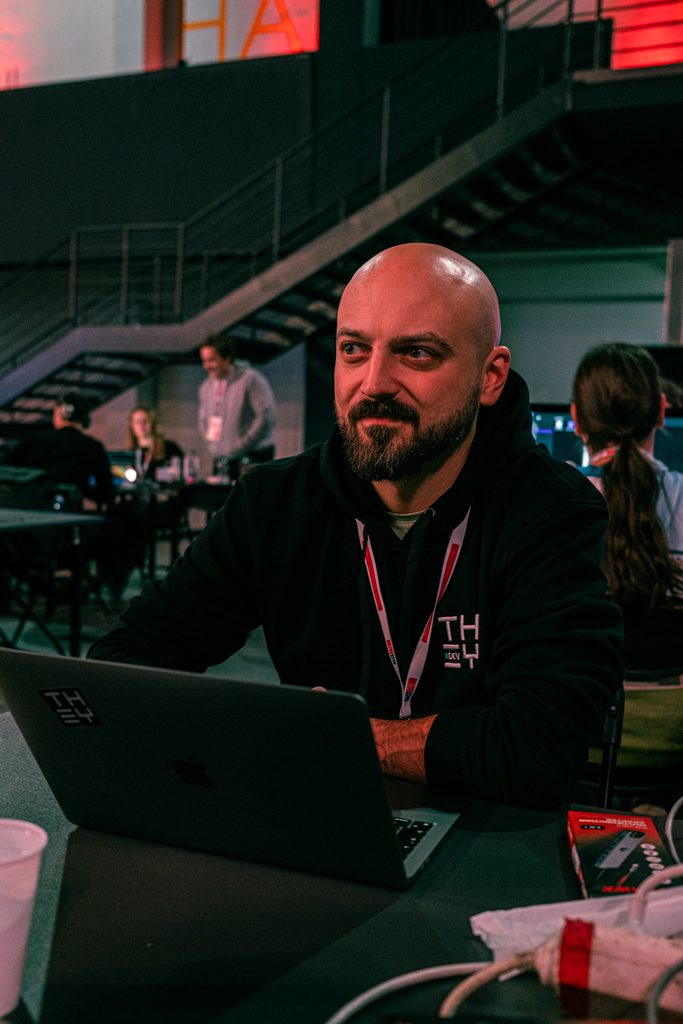
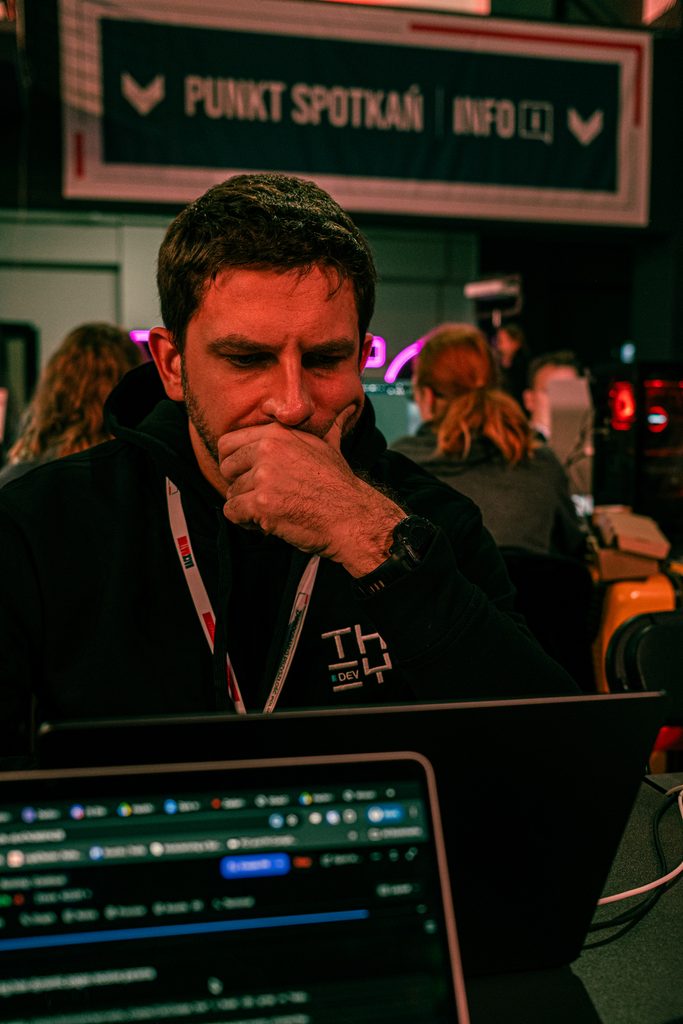
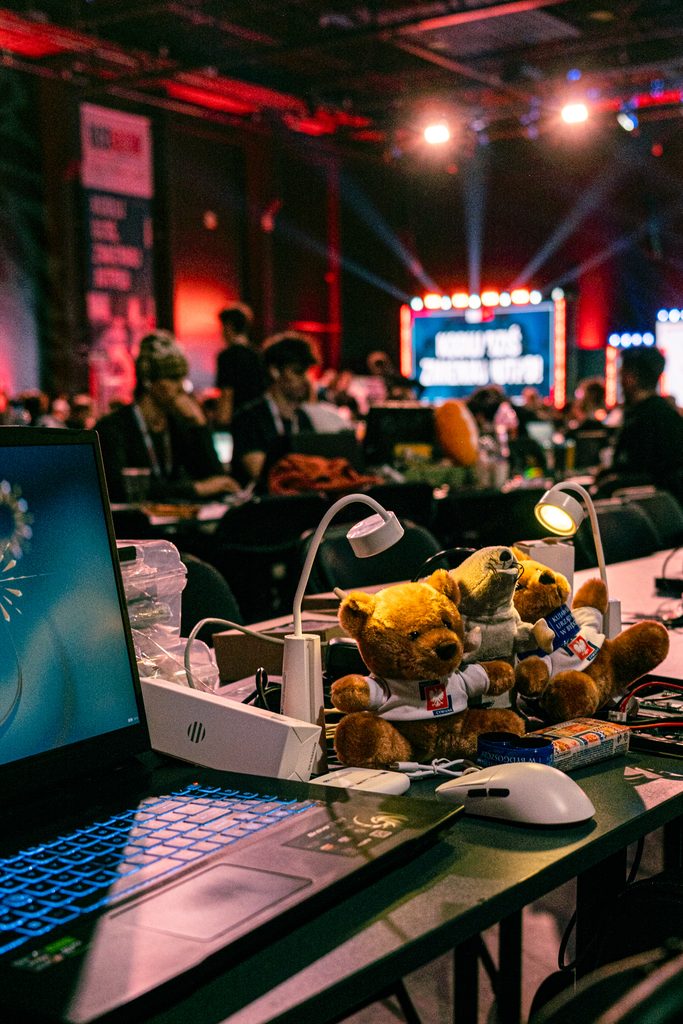
We were at HackNation 2026
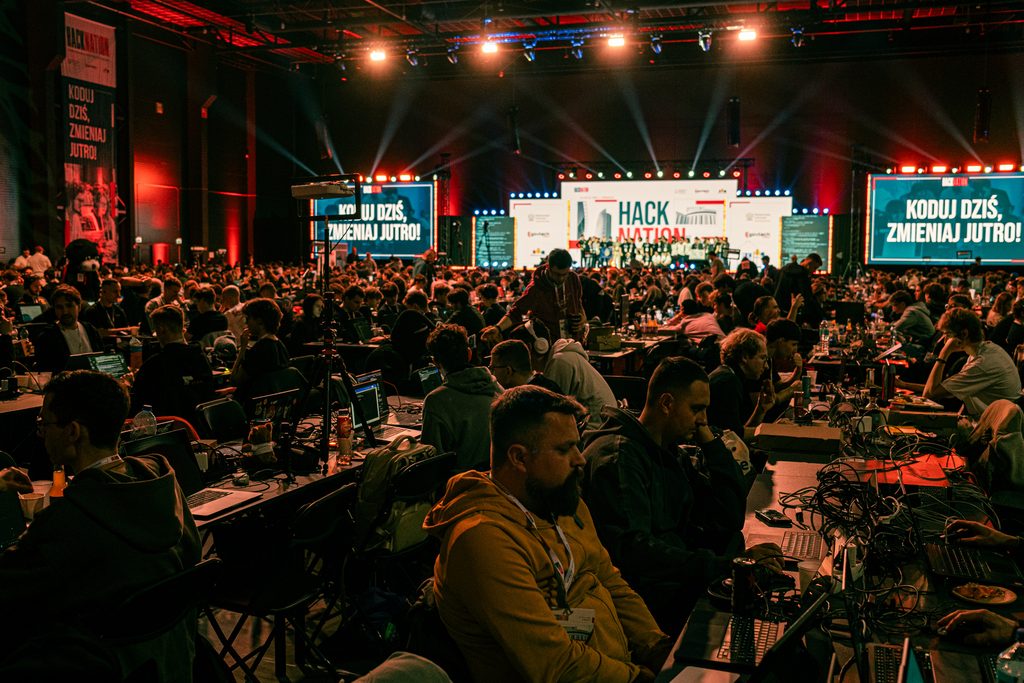
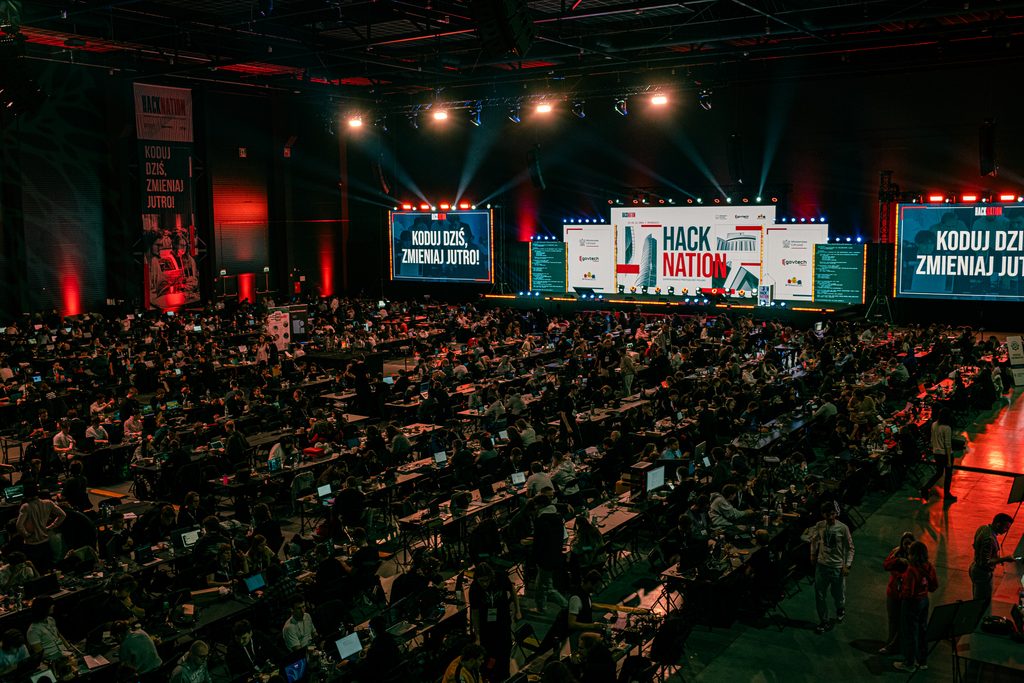
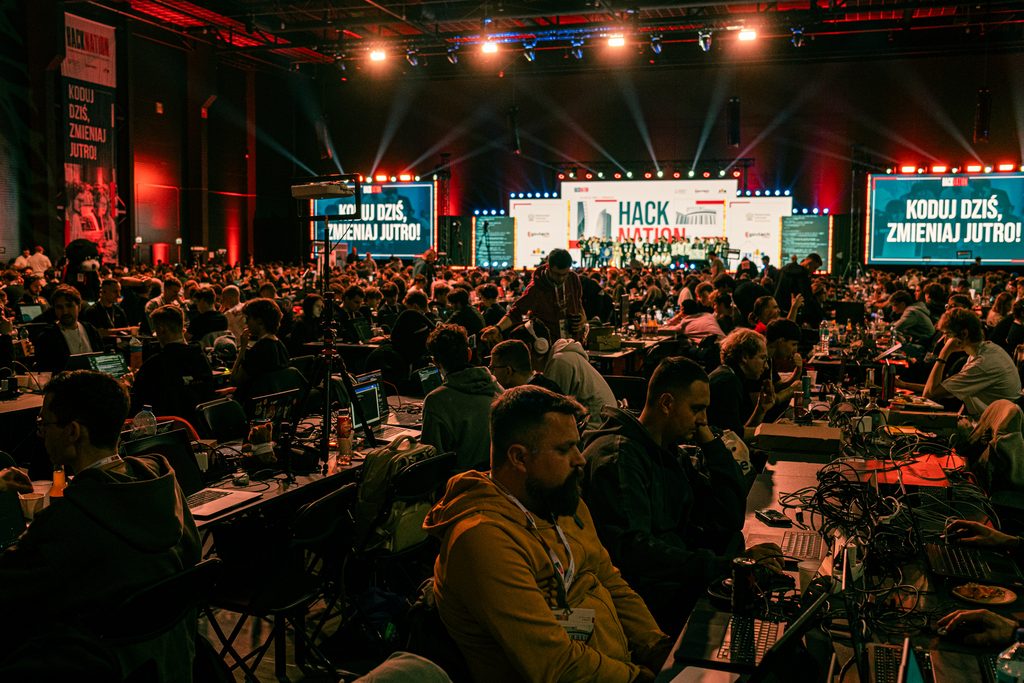
2,000 people, 24 hours, 4 projects, and an awful lot of coffee – we participated in HackNation 2026
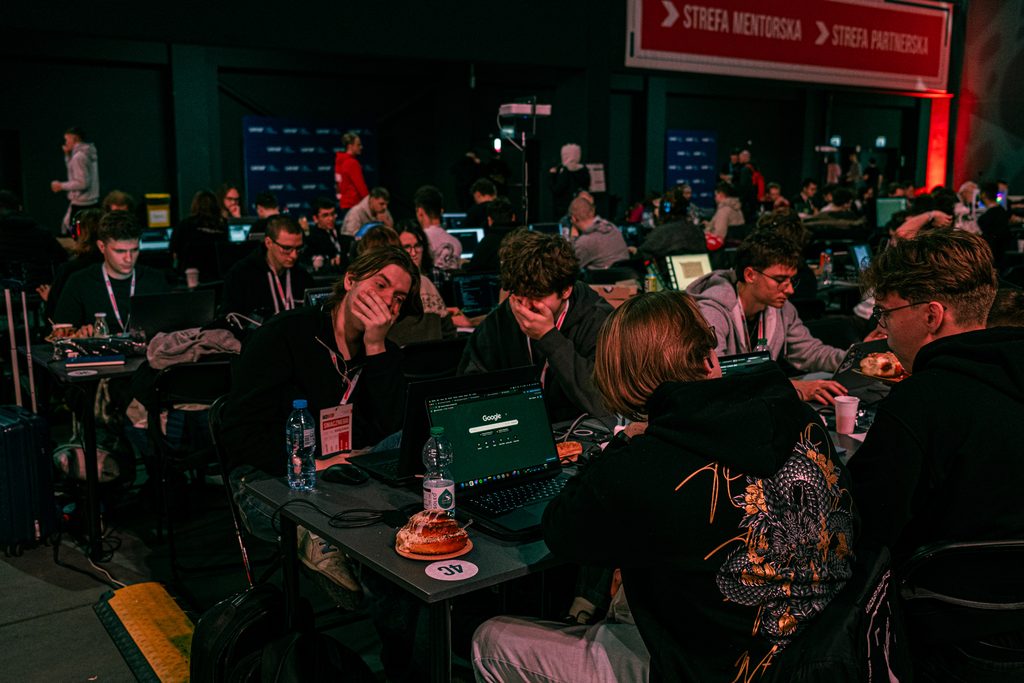
Hackathons are a rather specific kind of events. Part of the industry still associates them with sleepless nights on the floor, hectolitres of energy drinks or coffee (that part, at least, still holds true today), and hastily cobbled-together code that gets tossed into a drawer right after a two-minute pitch, never to see the light of day again. That really was the case. Years ago. Today, hackathons look completely different.
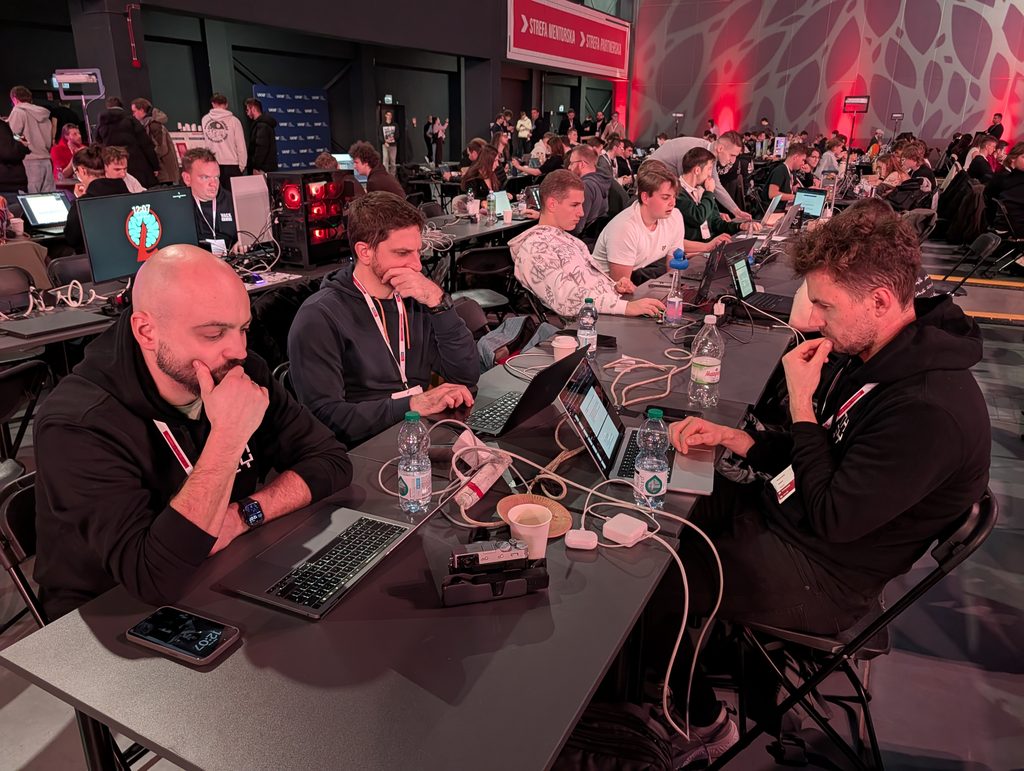
As the THEY.dev team, we were participating in the second edition of Poland’s largest on-site public-sector hackathon feeling it was time very well spent. Following the weekend of 21–22 November at the Bydgoszcz Trade Fair and Exhibition Centre, we can say with a clear conscience: HackNation is a rather unique event. Why?
Impressive scale
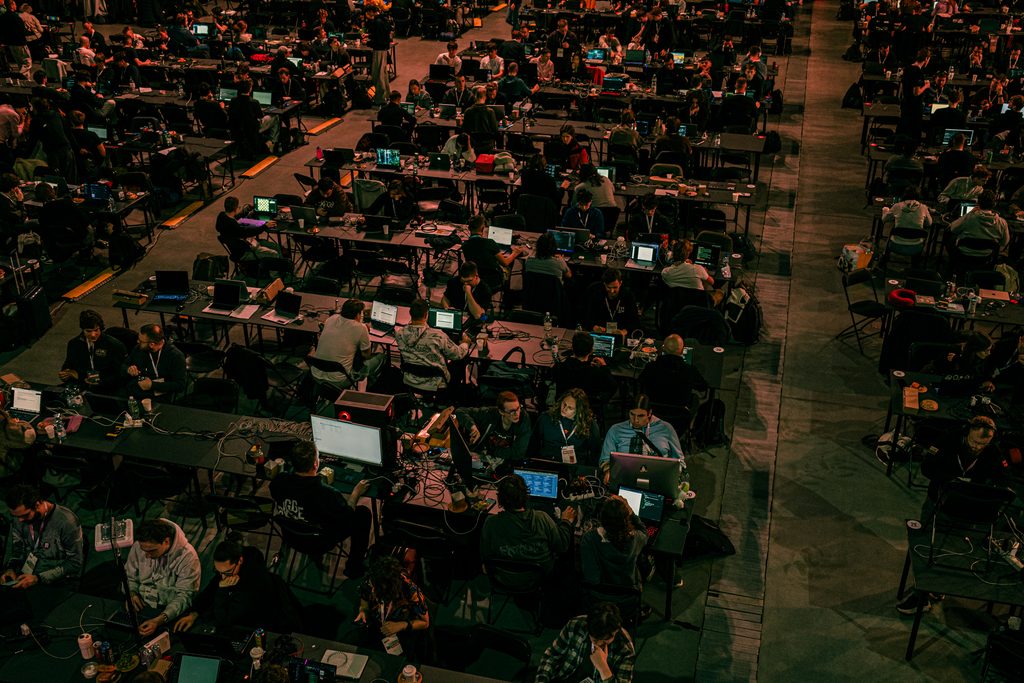
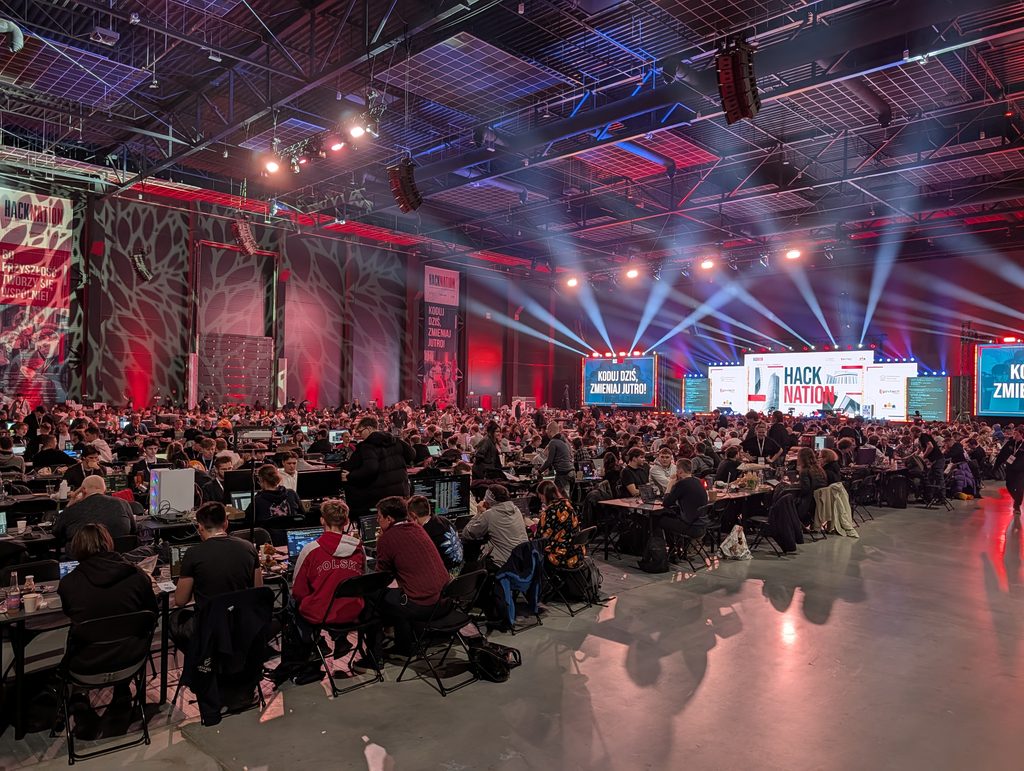
The numbers speak for themselves, with no need to dress them up in marketing terms. The organisers (the Ministry of Digital Affairs and the City of Bydgoszcz) brought around 2,000 participants from across the country under one roof. Over 24 hours, teams tackled 15 real-world challenges submitted by 14 public institutions and partners. Logistically and organisationally, the whole thing was pulled together at a standard rarely seen at events of this size.
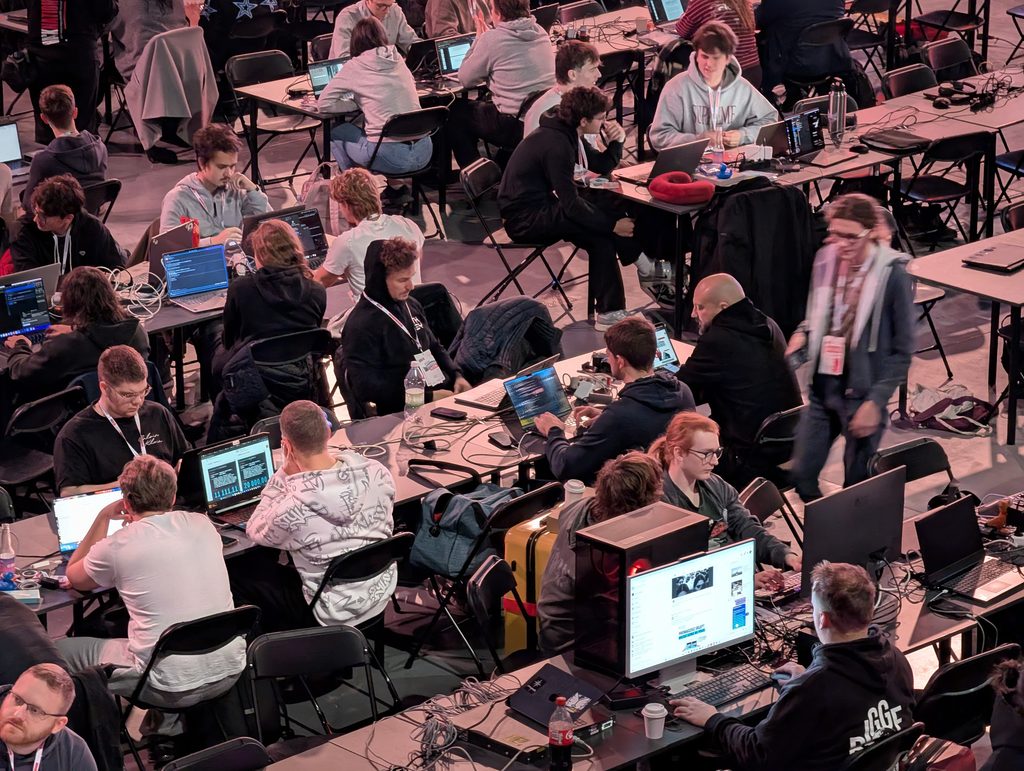
What we appreciated most, however, as practitioners who build software for a living, was the quality of the tasks themselves. The partners didn’t turn up with abstract slogans, but with genuine operational problems that the public administration actually faces. These were challenges that called for proper engineering, architecture, and product thinking, not just stitching together a mock-up for a flashy pitch.
Four challenges, four THEY.dev solutions
We didn’t limit ourselves to a single track. We split our forces and took on four very different partner challenges:
PIRATE – for the “Intelligent Clerk Assistant” (pol. Inteligentny asystent urzędnika) challenge (task by City of Bydgoszcz)
The name (PIRAT: Public Information Request Assistant and Tracker) sounds slightly cheeky, but the problem is entirely serious: by November, the Bydgoszcz municipal office had received over 800 public information requests, each of which must be processed within a statutory 14-day deadline, often across several departments simultaneously. We designed a system that operates strictly inside the office’s infrastructure for security reasons.
How does it work? A clerk uploads an email or a scanned document, AI identifies the relevant departments, drafts internal queries, tracks deadlines, and, once the data is collected, assembles a ready-to-send response based on predefined templates. We built the whole thing on the open-source Open Mercato platform, which provides encryption, access control, and full action auditing right out of the box. It also delivers security on another level: it protects against vendor lock-in, giving offices and public institutions complete freedom in how they develop the application further.
Mapa serc – for the “Mission AED – Data to the rescue” (pol. Misja AED – Dane na ratunek) challenge (task by Ministry of Digital Affairs – Data Management Department)
There are plenty of automated external defibrillators (AEDs) across Poland, yet information about them is fragmented and unstandardised. Where are they? In what exact spot? How do you get to them in an emergency? It’s hardly classified information, yet there is no single, coherent source of truth.
Official government databases list relatively few devices, and an emergency dispatcher cannot rely on unofficial sources like OpenStreetMap (where volunteers have already logged over 18,000 locations). Our application organises and standardises this data, packaging it into a module ready for the dane.gov.pl portal, while also making it easier for institutions and device owners to register new units.
Blankiet – for the “Forms Digitization” (pol. Cyfryzacja formularzy) challenge (task by Central IT Centre / COI)
Manually converting paper forms into digital versions (for instance, for the mObywatel app) is tedious, time-consuming work. We built a solution: an API alongside a concept for a graphical application, that automates this process and outputs a ready-to-use JSON file.
The COI’s key requirement? The ability to run completely offline, with no internet access. Rather than using a sledgehammer to crack a nut, we implemented an escalation architecture: the system starts with standard OCR and lightweight models, only calling on heavier ones for more complex documents, keeping things fast and cost-effective. After running benchmarks (evaluated with the help of Claude Opus), we opted for open, European Mistral models, which can be deployed seamlessly on-premise. So that goes hand-to-hand with european digital soverignity concept as well.
Retencja – for the “Retain Water, Protect Crops” (pol. Zatrzymaj Wodę, Chroń plony) challenge (National Support Centre for Agriculture / KOWR)
Here, the priority was absolute simplicity for the end user. A farmer doesn’t need a complex analytics dashboard. They open the app, enter their plot details, crop type, and target date, and simply hit Enter. In the background, the engine pulls available national and European data for the specified area and generates a clear report: whether the land has a water issue, what the issue is, and what can be done about it.
In the face of climate change challenges, an application like this can have a tangible impact on agricultural efficiency.
24 hours then and now – a new reality of building software
Did we win? No. Although our projects were well received, we didn’t quite make the top spots this time around. Will we take up the challenge again next year? Without a doubt.
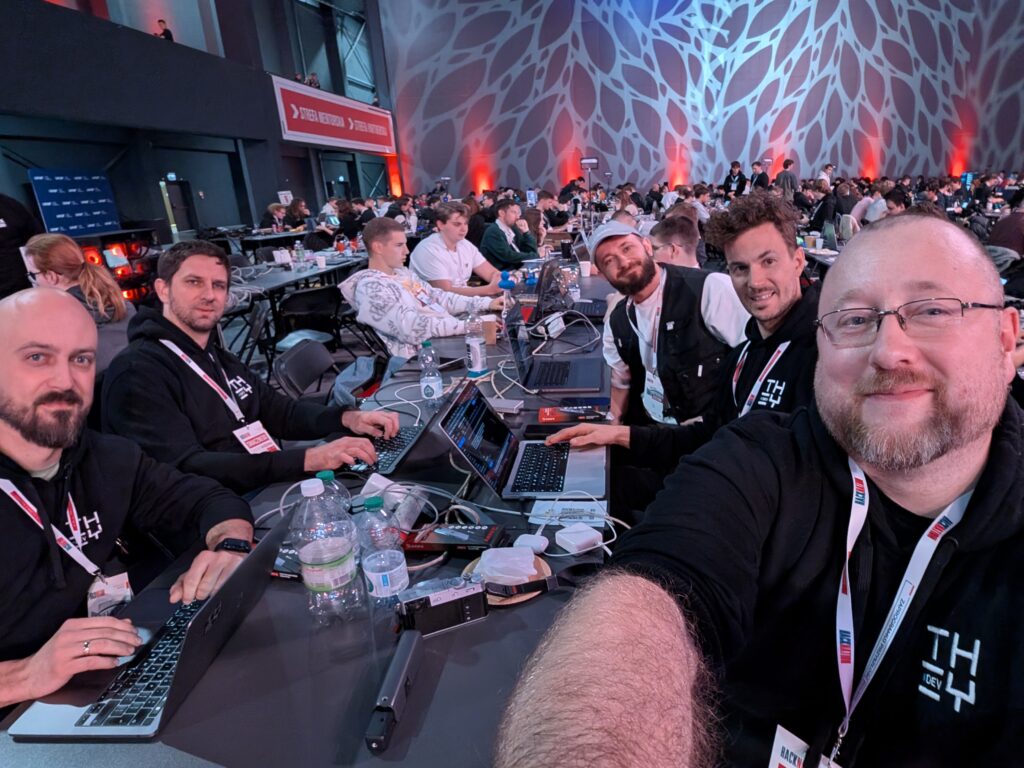
We are also taking away one more very concrete observation from HackNation 2026 from a software house perspective. Just a few years ago, building working, sensible software in 24 hours was a tall order. It meant racing the clock from minute one, aggressively cutting scope, and cutting back on, or completely giving up, sleep, just to ship something that wouldn’t fall apart during the demo in front of the jury.
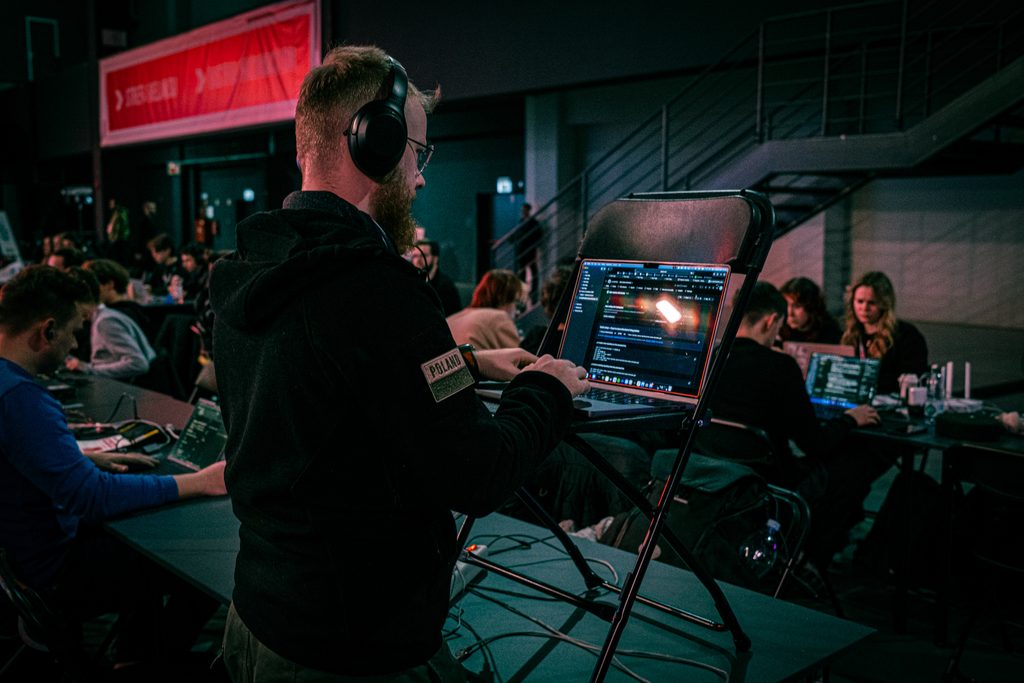
Today, the reality looks completely different. With the skilful use of modern tools and AI support, putting together a solid prototype in a single day is more than just possible. The pace of work has accelerated to the point where we even had plenty of spare time to calmly refine the details, speak with mentors, exchange experiences, and actually catch our breath, instead of frantically committing code five minutes before the deadline.
What, then, has become far more important? Above all, understanding the actual problem facing the commissioning company or institution. Here, the approach we have applied for years simply works. Understanding the process, defining the problem precisely, and being able to verify what we put into the user’s hands matter more than ever. Writing the code itself is no longer the bottleneck.
Our verdict on HackNation 2026 is clear. It was a thoroughly successful trip. Well-crafted challenges, impressive scale, and clear proof that the Polish public sector is getting much better at talking to the tech community. The organisers have already announced that the 2027 edition will also be held in Bydgoszcz. Judging by this year’s standard, that comes as no surprise.